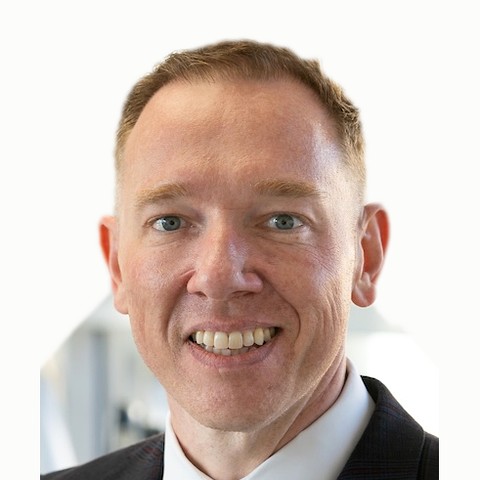
I'm a board-certified nurse practitioner with more than twenty years in healthcare and a doctorate built around one question: why do good systems still fail patients in predictable, fixable ways?
I started Flintlock Health because men's health online has turned into a checkout page. Dozens of sites will get you testosterone, an erectile dysfunction (ED) prescription, or a hair loss script in a few clicks. Most of them run on a form, not a relationship. I wanted to build the version I'd want for myself: a real evaluation, evidence behind every treatment, and a clinician who stays accountable for how you're actually doing.
Where I've practiced
Most of my clinical career has been spent where the stakes are highest:
- Emergency medicine, in both urban and rural emergency departments, from a busy academic medical center to small rural hospitals
- Critical and acute care, including overnight ICU and surgical coverage at a specialty cancer hospital
- Family practice, running an independent primary care practice in the U.S. Virgin Islands
- Healthcare leadership, later helping run patient care at large academic and cancer centers
That mix matters. Emergency and acute care teach you to spot what's dangerous. Family practice teaches you to manage what's chronic. Leadership shows you where the system quietly lets people slip through the cracks.
Why men's health
ED, low testosterone, hair loss, and sexual health are some of the best-understood problems in medicine. They fall through the cracks anyway, because the system isn't built for how men actually seek care. By the time these problems come up, they've often been there for years.
Flintlock is built to reach men earlier, privately, and on their terms, without cutting corners on the standards behind the care. Read the full founder story →
How I practice
- Evaluation before prescription. A full health history first, and labs when your situation calls for them.
- Evidence over trends. If a treatment isn't backed by good data, I'll tell you.
- Willing to say no. Sometimes the right answer is a different treatment, or none at all.
- Ongoing monitoring. Plans get adjusted over time, not set and forgotten.
- Honest about telehealth's limits. If something needs to be seen in person, I'll help you get to the right place.
Training and credentials
Board certification
- Family Nurse Practitioner (FNP-C)
- Acute Care Nurse Practitioner (ACNP-BC)
- Emergency Nurse Practitioner (ENP-C)
- Advanced Practice Wound Care Nurse (CWCN-AP)
Education
- PhD, University of Hawaiʻi at Mānoa
- Doctor of Nursing Practice (DNP) and MSN, Thomas Jefferson University
- BSN, Temple University
Professional
- Fellow of the American Association of Nurse Practitioners (FAANP)
- Nurse practitioner licensed in New York
- Published researcher in peer-reviewed journals